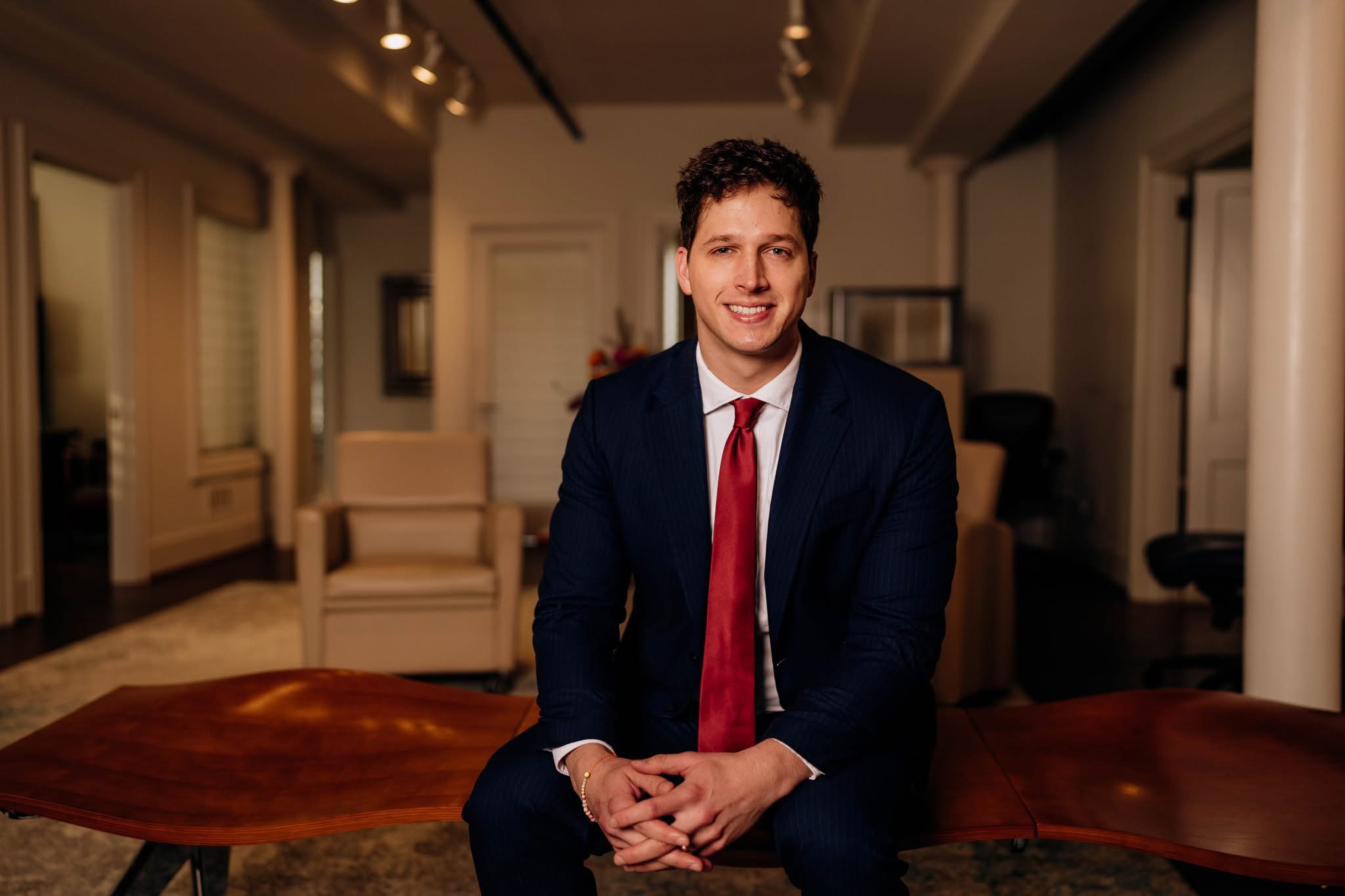
A year ago today my first book, Saving the Subject: How I Found You When I Almost Lost Me, was published. I still remember opening the first box of copies and feeling stunned. For weeks I kept picking it up, flipping through pages, rereading sections over and over again. Just trying to convince myself it was all real.
The book was written in my basement, in the car, during lunch breaks, at local coffee shops, and constantly tweaked with ideas from my iPhone Notes (I use that app often; e.g., I have over 6,000 notes today!). It was written with a fractured skull on my desk as a reminder of where I’d come from. It was written while raising four kids under the age of four. And it was written with the hope that my story of nearly losing everything might give someone else language for their own struggle with identity and personhood.
Over the past year, that hope has started to take root. Readers have told me a chapter helped them understand their own suffering. Friends have said they finally understood my journey a little better. Strangers have said it gave them so much to think about. Those responses matter more than sales or reviews, because they confirm the real gift of a story: not just in the telling, but in the hearing.
After 14 public book signings, the book has gone places I never expected: courtrooms, conferences, classrooms, and conversations I could not have entered on my own. I never imagined a personal story could create so much space for others to share theirs, but that has been the greatest gift of all.
Looking ahead, this book will continue to walk with me into new seasons. In just a few weeks, I’ll close out the American Bar Association’s National Conference for Lawyer Assistance Programs with a keynote on lawyer identity in the age of automation. What’s more: I’m speaking on the exact 10-year anniversary of the brain injury, September 18, 2025. I didn’t plan that alignment, but it’s another one of those full circle moments I keep experiencing. Here is the description:
Ten years after a traumatic brain injury nearly took his life, author and attorney Cameron Fathauer returns to a question at the heart of both his story and the legal profession’s future: Who are we when what we do is no longer enough?
In this keynote address, Fathauer explores how artificial intelligence is forcing lawyers to confront what many already feel in silence: the fear that their value is tied entirely to performance. Drawing from his philosophical memoir Saving the Subject: How I Found You When I Almost Lost Me, he shows how this performance-driven mindset fractures identity—and how recovery, relationships, and presence offer a more human foundation.
At the center of his message is the conviction that “no one can be themselves by themselves.” Through story, philosophy, and practice, Fathauer challenges the profession to resist reductionism and remember that our true worth is rooted not in output, but in who—and whose—we are.
He then introduces the Performative Utterance Project (PUP)—a jurisprudence for the self, developed over years of healing and daily practice. More than a motivational exercise, PUP is a speech-based framework for reclaiming identity, resilience, and calling in an age when AI will outperform us in nearly every task but presence.
Finally, this session reimagines Lawyer Assistance Programs not only as crisis intervention points, but as growth partners: places where lawyers can recover the subjective ground on which everything else depends, and where the profession can be renewed from the inside out.
While Saving the Subject was born out of weakness, it has been sustained by the strength of others. I’m grateful for my wife, Chelsea, who lived every page with me. Grateful for my kids––Albert, Charlee, Scarlett, and Frankii––who remind me daily what matters most. Grateful for the friends, readers, and mentors who have supported me through so much.
I truly cannot be myself by myself. Thank you.
Leave a Reply